
Auction vs Listing
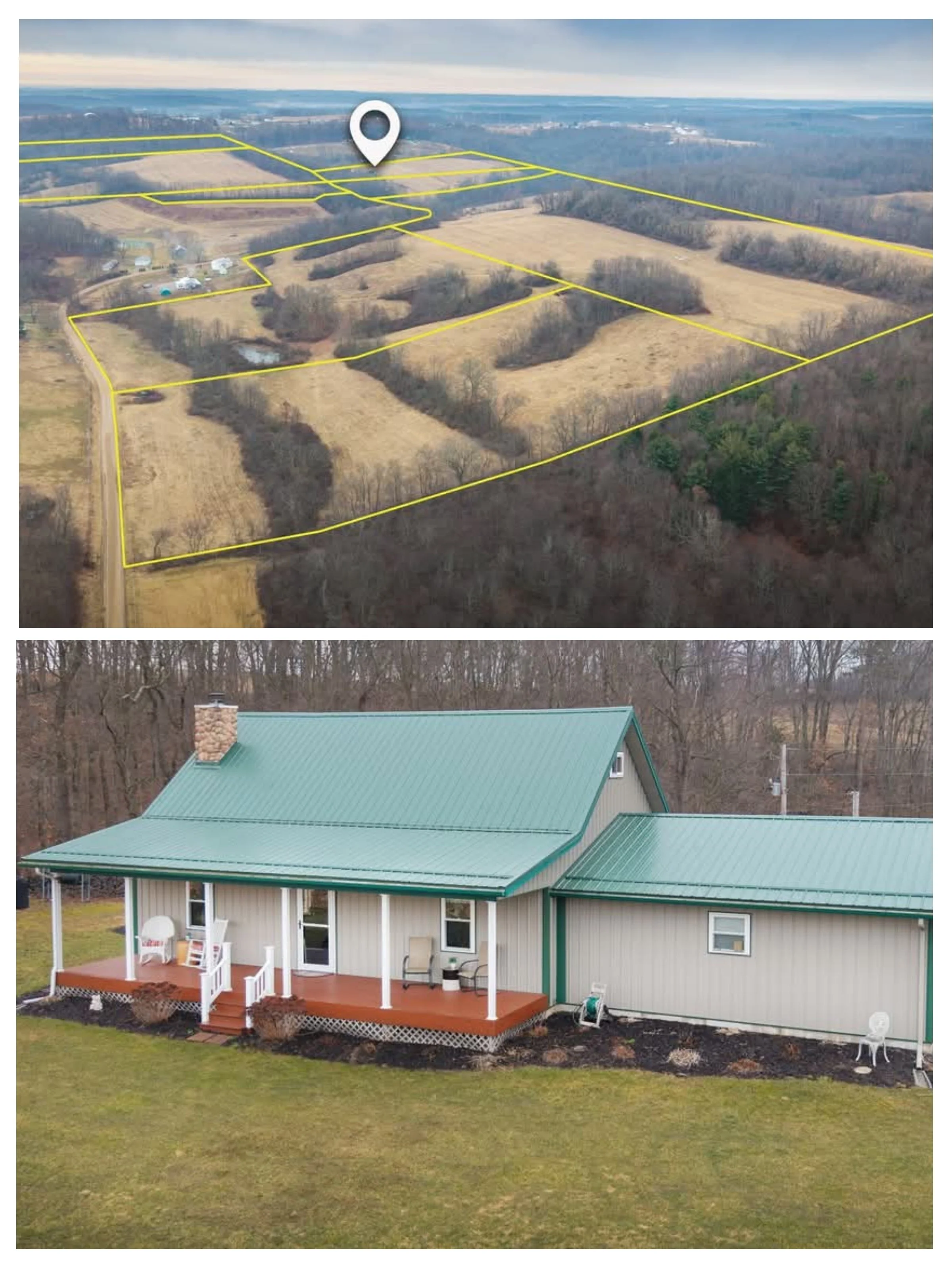
Absolute Auction= Absolute Results, choosing an absolute drives competition among bidders because they know at the end of the day that someone is going to walk away owning this property.
This 168 acre farm in Howard Ohio sold at absolute auction in 2025 for just under $2.1million dollars, the sellers were hoping for $1.8million. The sellers were confident that we would market their property to the right buyers and in the end we sold it to 6 different buyers.
Real Estate Auction vs. Traditional Listing: Which Is Right for Your Property?
When it's time to sell real estate, one of the first decisions you'll make is how to bring the property to market. For most sellers, there are two primary options: a traditional real estate listing or a real estate auction. Both can be effective. The better choice depends on the property, the market and, most importantly, what you need the sale to accomplish.
Traditional Real Estate Listing
Most people are familiar with the traditional listing process. A property is listed at an asking price, marketed to prospective buyers and offers are presented to the seller for consideration.
Advantages of a Traditional Listing
Familiar process: Most buyers understand how a traditional real estate transaction works.
Flexible negotiations: Price, closing date, inspections and other terms can be negotiated between buyer and seller.
No predetermined sale date: Sellers can generally wait for an offer they are comfortable accepting.
Works well for many residential properties: Particularly when comparable sales provide a clear indication of market value.
Potential Disadvantages
Uncertain timeline: It can be difficult to know exactly when the property will sell.
Negotiations: Offers may include inspection, financing, appraisal, home-sale and other contingencies.
Asking-price decisions: Pricing too high can discourage interest, while pricing too low may leave sellers wondering whether they could have achieved more.
Extended carrying costs: Taxes, insurance, utilities and maintenance continue while the property remains on the market.

Auctions Draw Crowds
Buyer’s don’t want to miss out on the chance to raise their hand and bid on a piece of real estate. For this auction we had 31 registered bidders in attendance to bid on two duplexes that sold at absolute auction in 2025.
Selling Real Estate at Auction
An auction approaches the market differently. Rather than placing an asking price on the property and waiting for offers, we establish a defined marketing period and a specific date when buyers compete for the opportunity to purchase the property. That changes the dynamic of the transaction.
Advantages of a Real Estate Auction
Defined timeline: The seller knows when the property will be offered and can establish the closing time-frame in advance.
Competitive bidding: Interested buyers compete against one another rather than negotiating downward from an asking price.
Seller-established terms: Deposit requirements, closing period and other terms are established before bidding begins.
Focused marketing: Advertising builds toward a specific event and creates urgency among prospective buyers.
As-is transactions: Auction properties are commonly offered in their present condition under terms established before the sale.
Market-driven price discovery: Competitive bidding allows the market to help establish the property's value.
Potential Disadvantages
Not every property is an ideal auction candidate.
The seller must be comfortable with the chosen auction format and terms.
Marketing must be done correctly: An auction depends on generating sufficient exposure and competition before auction day.
Results can be less predictable: Particularly when selling absolute, where the property sells to the highest bidder regardless of price.
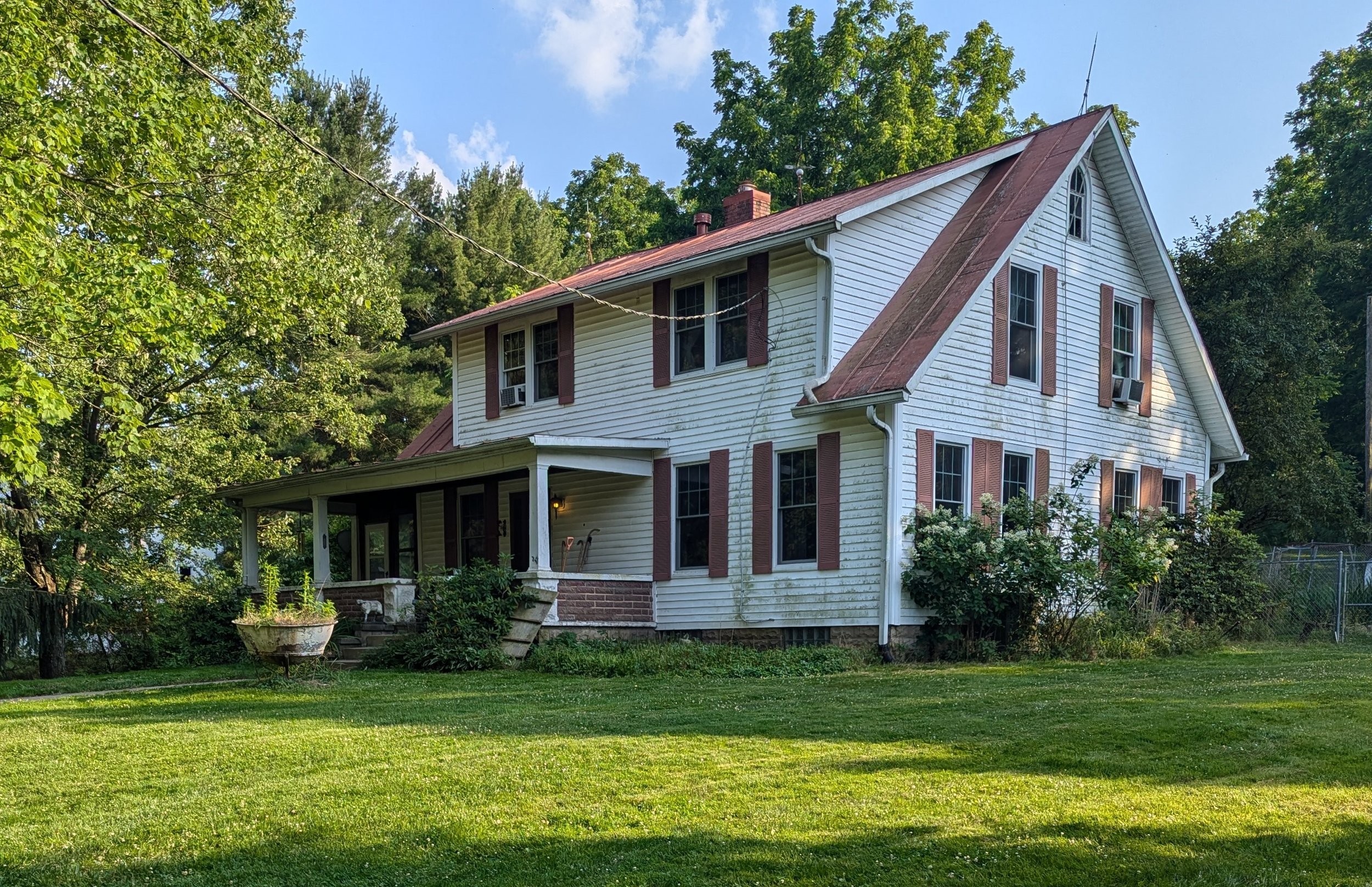
Seller Confirmation= Puts the sellers in control on auction day and provides them the opportunity to accept or reject the high bid in real time.
This 40acre property sold for just over $600K to two different buyers. The sellers were able to have a private conversation with our auctioneers and determined if the high bids were enough to sell the property. At the end of the day the sellers accepted and the property sold above their expectations.
So Which Method Is Better?
Neither method is automatically right for every property. A traditional listing may make sense when a seller has considerable flexibility on timing, the property fits neatly within the conventional residential market and comparable sales make pricing relatively straightforward.
An auction can be especially attractive when the seller values certainty, competition and a defined timeline.
We frequently consider auctions for estates, farms and land, investment properties, unique real estate and situations where sellers want the market to determine value through competitive bidding. There are also several auction formats available, including absolute auctions, minimum-bid auctions and auctions subject to seller confirmation, allowing the strategy to be tailored to the property and seller's objectives.
One Real Estate Professional, Both Options
This is an important distinction when talking with us. John P. Ruckman is a licensed Ohio real estate salesperson with Wigton Real Estate & Auction LLC, in addition to being an experienced auctioneer. That means the conversation doesn't have to begin with the assumption that your property must be auctioned.
We can look at the property, discuss your goals and determine whether a traditional real estate listing or auction marketing makes the most sense. If traditional marketing is the better fit, John can list and market the property through Wigton Real Estate & Auction LLC. If auction is the better fit, that's where our particular experience comes into play.
We Specialize in the Auction Method of Marketing
While we work with both methods, real estate auctions are a specialty of John Ruckman. An effective real estate auction is much more than picking a date and asking people to show up. It requires selecting the right auction format, establishing appropriate terms, preparing the property for market, developing a concentrated advertising campaign, reaching prospective buyers and creating an environment where those buyers are prepared to compete. That's the auction method of marketing.
If you're considering selling real estate in Knox County or the surrounding Central Ohio area, the first question doesn't necessarily need to be: "Should I list it or auction it?"
Start with: "What do I need this sale to accomplish?"
From there, we can help determine which method gives your property the best opportunity for a successful sale.
John P Ruckman- Auctioneer and Real Estate Agent 740-398-6522
Real Estate Auction Services in association with Wigton Real Estate & Auction LLC

Minimum Bid Auction= An advertised minimum price you are willing to accept before the property sells.
We most often do minimum bid auctions with properties that are going through the courts. Normally the minimum bid is 80% of appraised value of the property. This property was listed with a minimum bid of $90,500 and sold for just over $200K on auction day.